
Sidereal Trading Articles
- All
- Accessories
- Astro photography
- Astroworx
- Automation
- Citizen Science
- Events
- Macro Photography
- Modifications
- Piers
- Reflectors
- Refractors
- Reviews
- saxon
- ScopeDome
- Software
- Telescope Mounts
- Tutorials
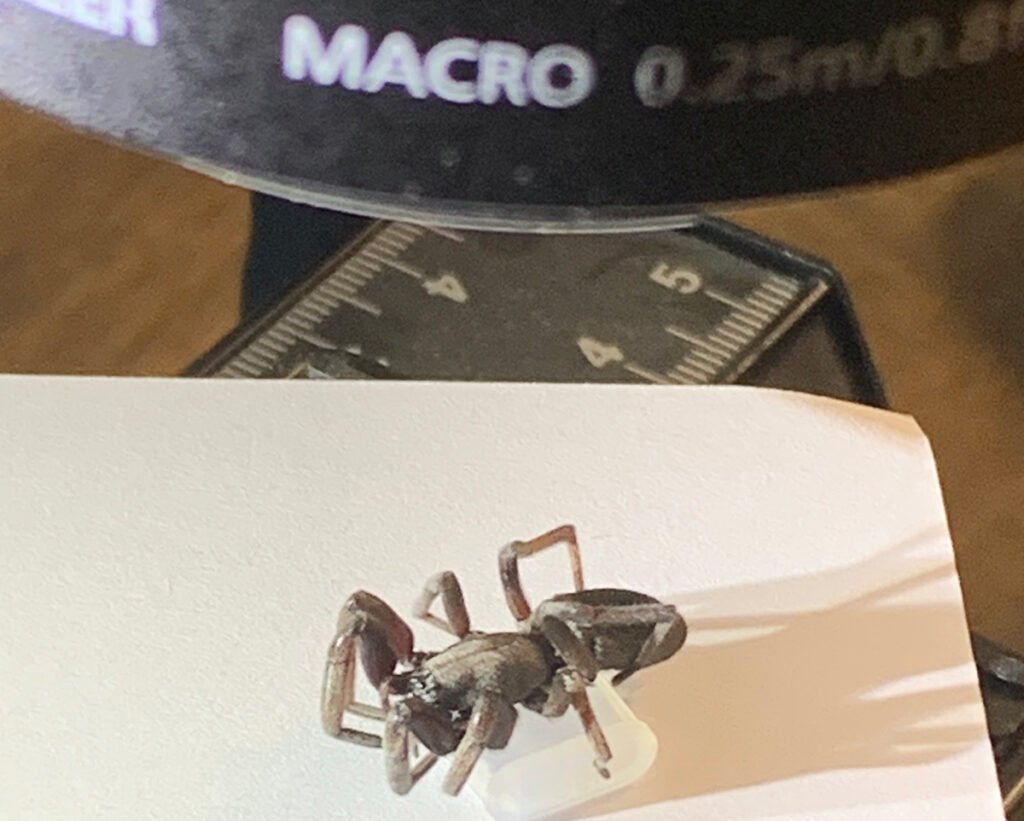
Testing a dome diffuser on the WeMacro Rail (arachnophobes might want to skip this one)
Macrophotography with a WeMacro Rail provides the depth of focus normal macro lenses can’t achieve. But managing lighting is still a difficult process, especially in such a cramped area. This article shows the effect of a couple of gadgets that help you see while posing your subject and diffuse harsh lighting during the exposure run.
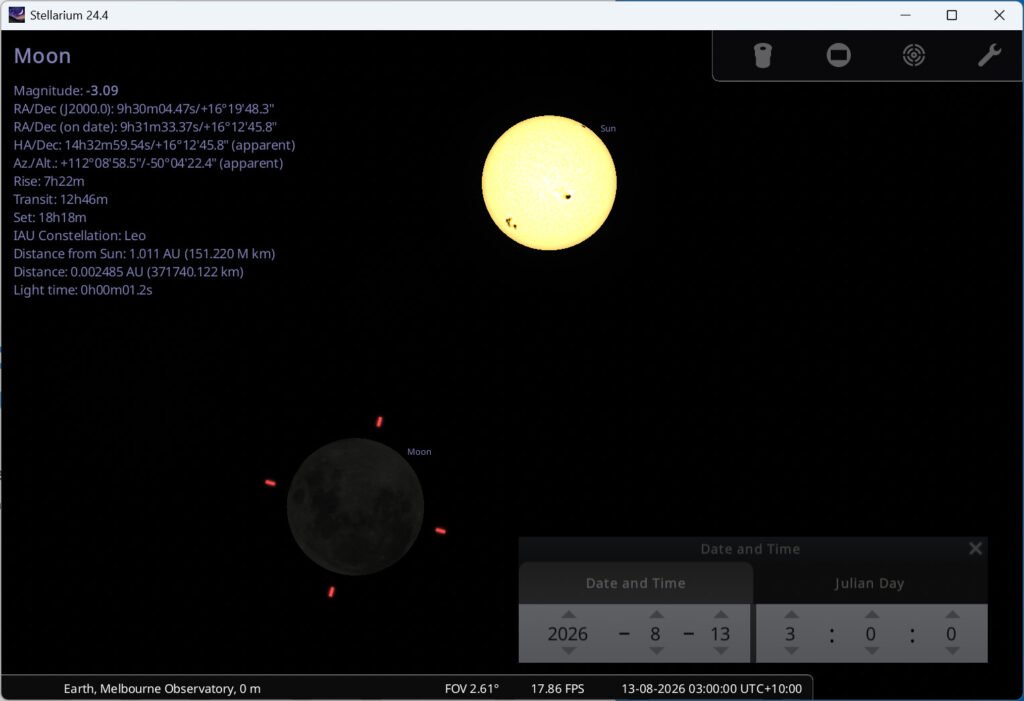
The (mathematical) wonders of a solar eclipse
Eclipses have been seen as an omen by nearly every civilization. Being able accurately predict an eclipse would give a leader immense persuasive power. Ancient astrologers noticed that solar eclipses followed a pattern. Get it right and you’re in for a promotion. Get it wrong and things might not be so good.
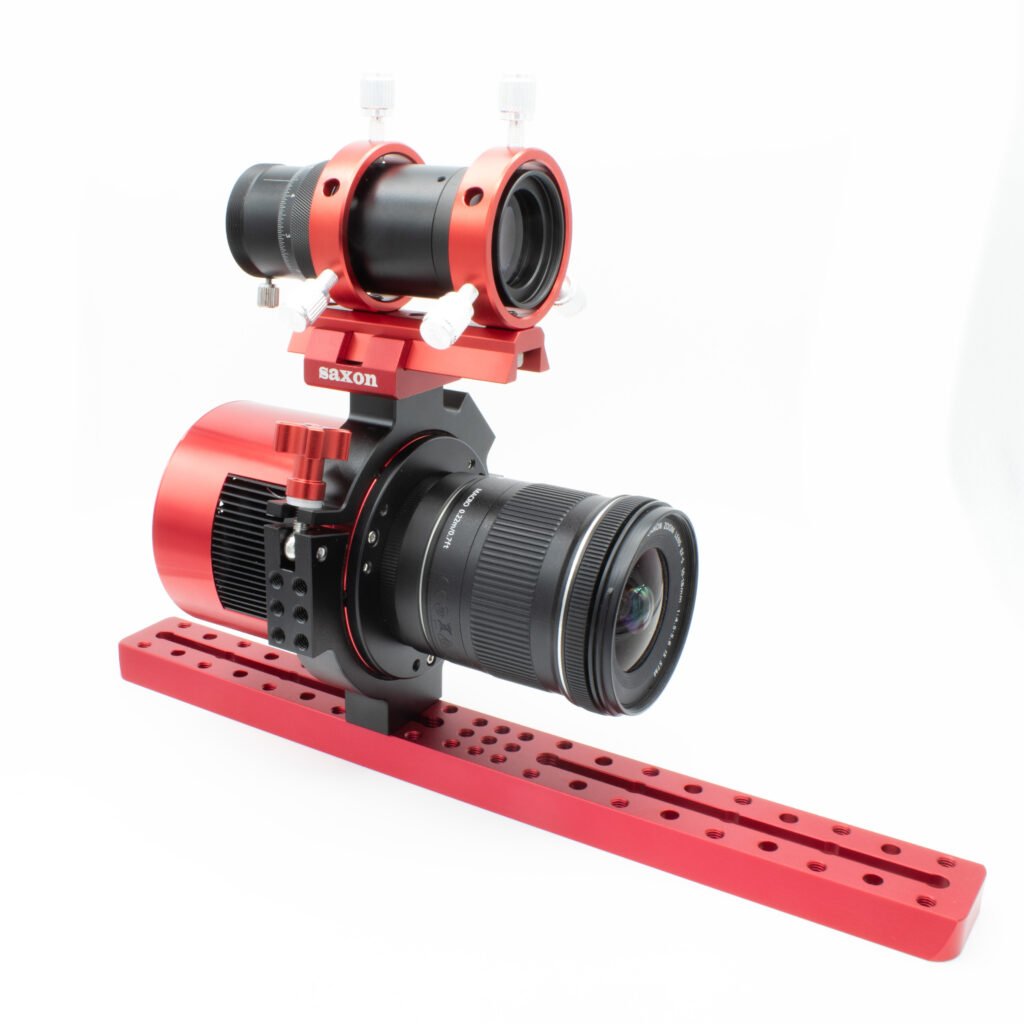
Building a wide field deep sky imager for long exposure times
In this blog we put together a deep-sky, cooled camera and lens rig for wide-field autoguided imaging. We used components that fit together without having to drill new holes. This will go onto a go-to equatorial mount and give us long exposures with any camera lens. It also provides extra mounting points for autofocus motors, computers, or other components.
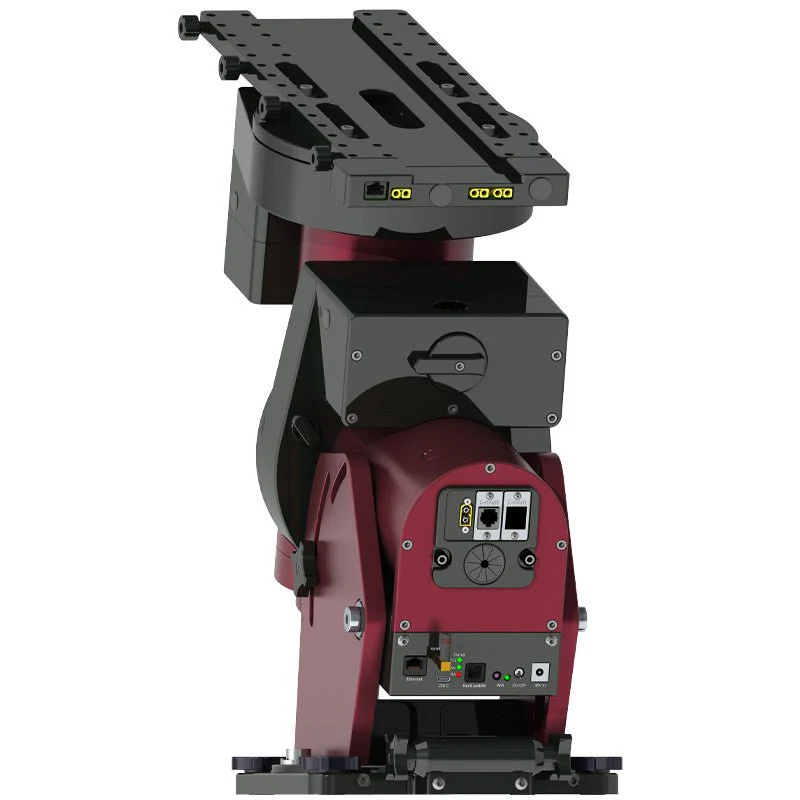
Encoders: what they are, do you need them, and if so, what type?
Now that Sidereal Trading is offering Paramount astrophotography mounts, we need to understand about the encoders that they use. Encoders are a way of telling your mount where it is pointing
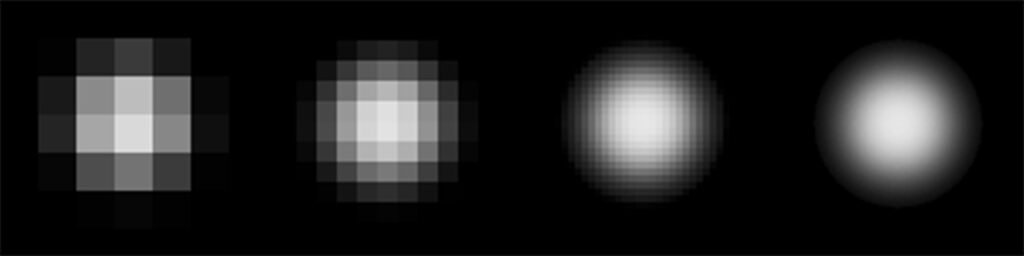
Under or oversampling? A very rough guide
Sampling rates can make your stars good or blocky, especially if you zoom in. It all depends on a few factors like your focal length, the size of the pixels in your sensor, how good the atmospheric conditions are, and even how good your guiding is. This article shows how to get a combination of telescope and camera that will give you nice smooth stars under a range of conditions.
Dome slaving 3: using the observatory control program as master, communicating through the ASCOM Hub
This is an instalment of a tutorial series on how to slave a dome. In this part we look at connecting the dome control software to the dome and mount through the ASCOM Hub. Depending on the connections you can perform the slaving calculations in the dome control software or the ASCOM Hub.
Dome slaving 2: using the observatory control program directly as master
In this second part of the dome slaving series, we discuss connecting your observatory control program directly to the dome and the mount using ASCOM drivers. This is the simplest we to set it up, and allows you to use the observatory control program to do the slaving calculations.
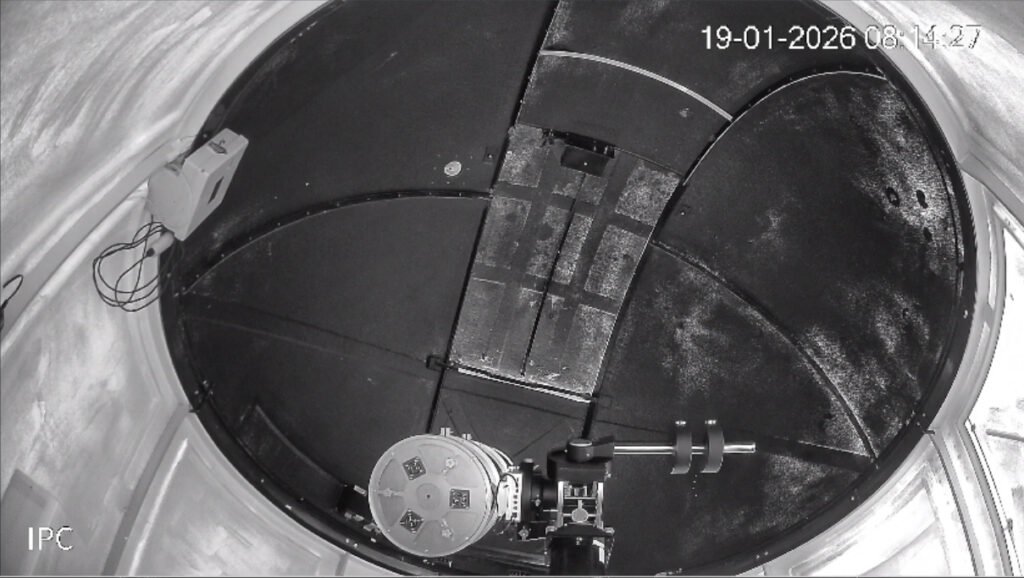
Dome slaving – a complicated issue
If you have a computerised observatory, you might know about dome slaving, the process of keeping the shutter on the dome right in front of the telescope. Not only is there a lot of mathematics in this, but also it’s a complicated task to set up the different components of your system. This is the first article in a series on different ways to do this.
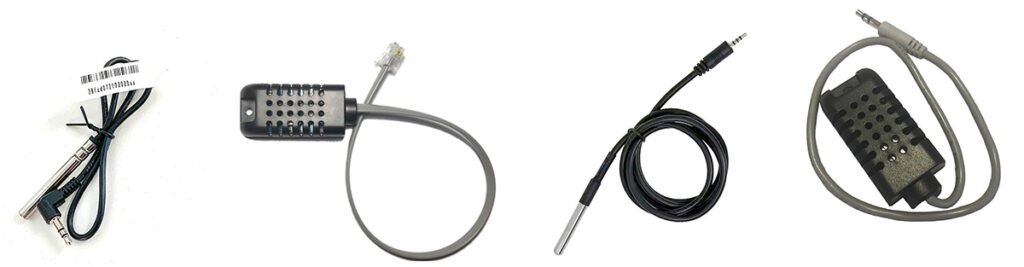
PegasusAstro Temperature and Environmental Sensors, and what products they go with
PegasusAstro focus, power and dew heater controllers use a range of temperature and environmental sensors. Knowing which one goes with what product can be confusing. Bill’s written a handy list for you.
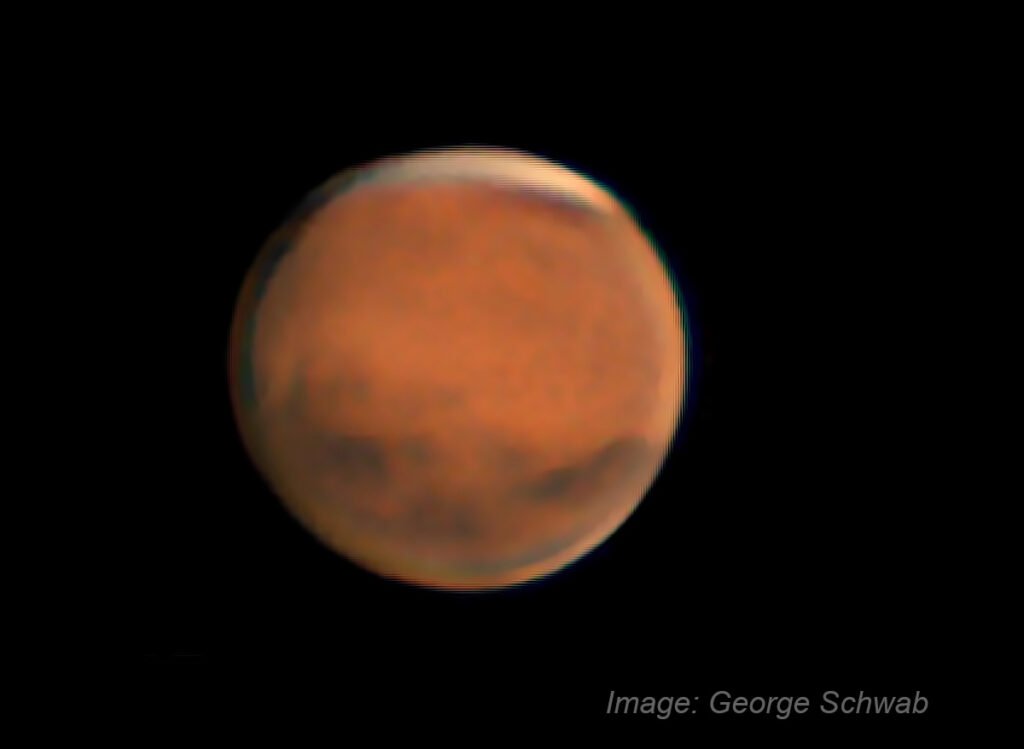
What is retrograde motion in a planet?
Every month, I present a talk at the Astronomical Society of Victoria on what’s up in the sky. They’re uploaded to YouTube and a few other video sites, and I talk about what visual observers can see at this time of year, what astrophotographers can image, as well as other things. One of the regular…
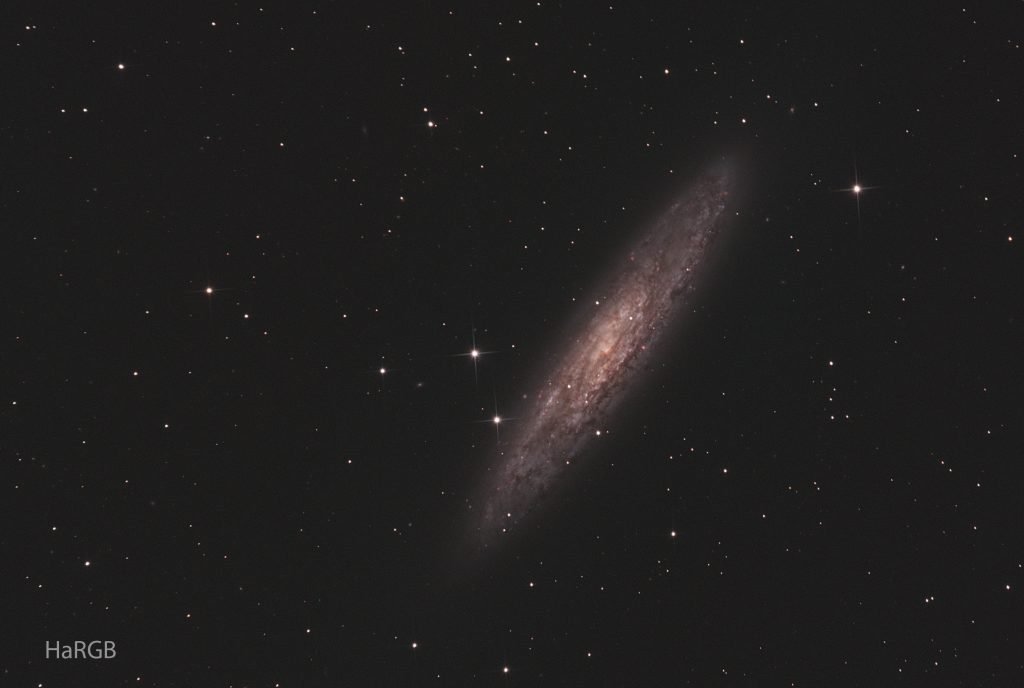
Imaging galaxies using Hydrogen Alpha
Taking monochrome images of a galaxy in red, green and blue light allows you to make a full colour image, in a similar way to your eyes detecting the three colours and your brain combining them in the colour image. But you add exposures taken through a Hydrogen alpha filter, which draws out emission nebulas in the galaxy.
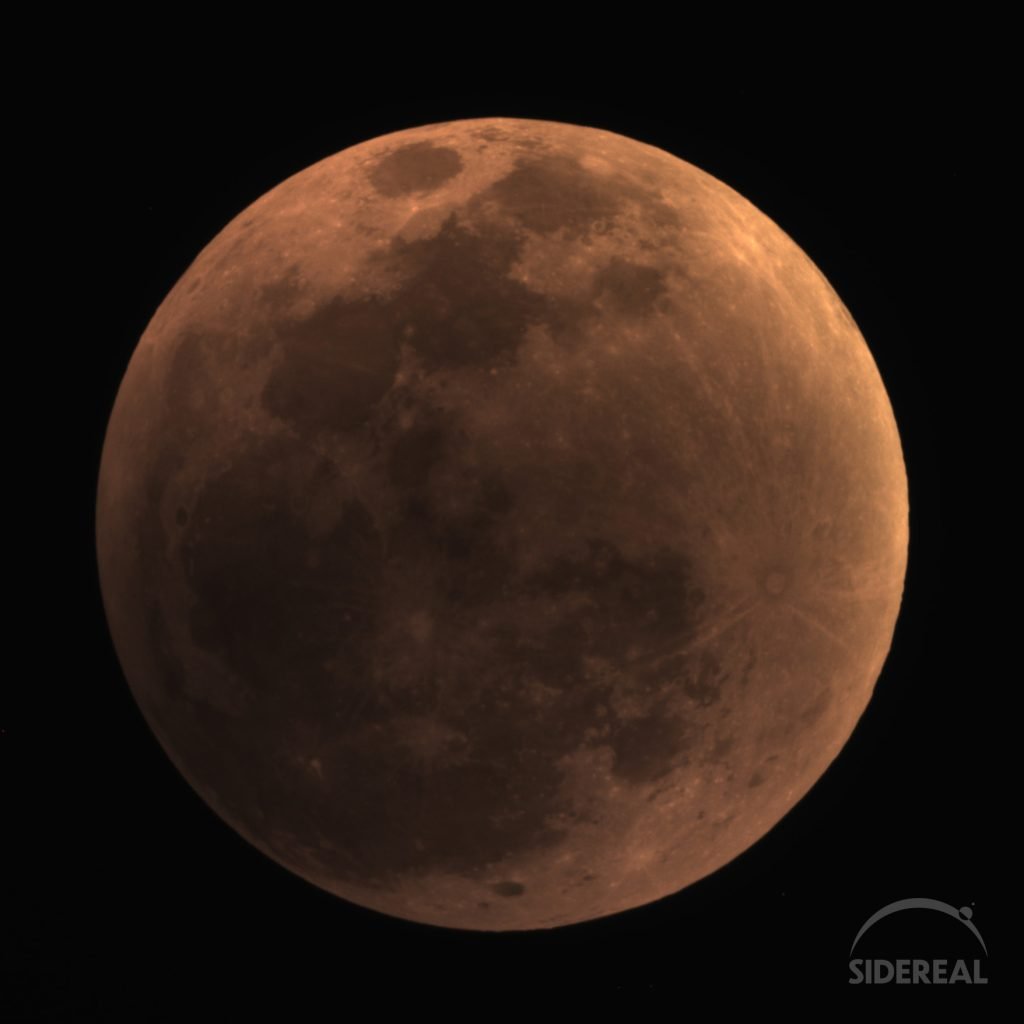
Catching a Lunar Eclipse using a remote facility
For the Lunar Eclipse of September 2025, Bill used a remote facility that Sidereal Trading had installed at a club in Victoria to get a sequence of images. It didn’t go quite to plan, but he got the shots anyway.
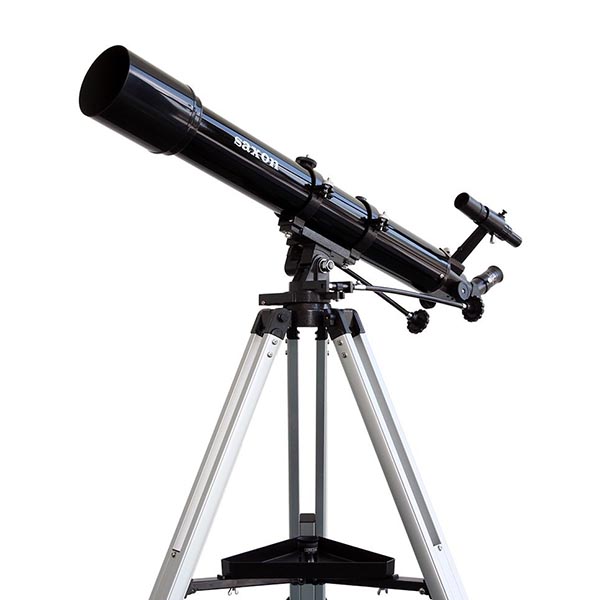
What objects can you see with a small refractor telescope?
What can this thing see? It’s a common question This is what a client asked me this morning. I’ve been asked a number of times now and I thought it’d be useful to have a prepared list, with specific examples. As the owner of a decent beginner telescope, you will be able to see examples…
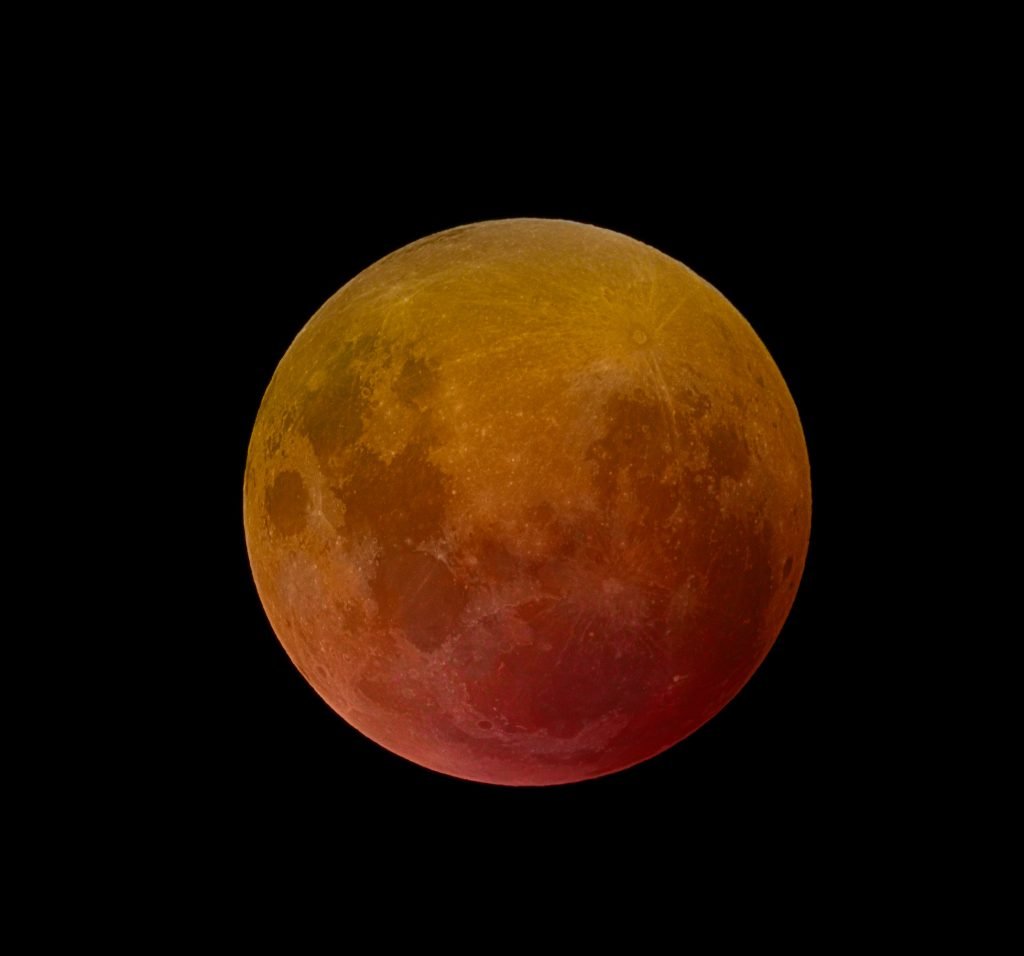
How to get a nice sharp image of a Lunar eclipse
Lunar eclipses, or blood moons, are really cool, and people love getting photos. But during the eclipse the Moon is dark and a photo doesn’t show the same details as a normal full Moon. This tutorial shows how to capture the sharpness of the full moon and still get the colour of the blood moon.
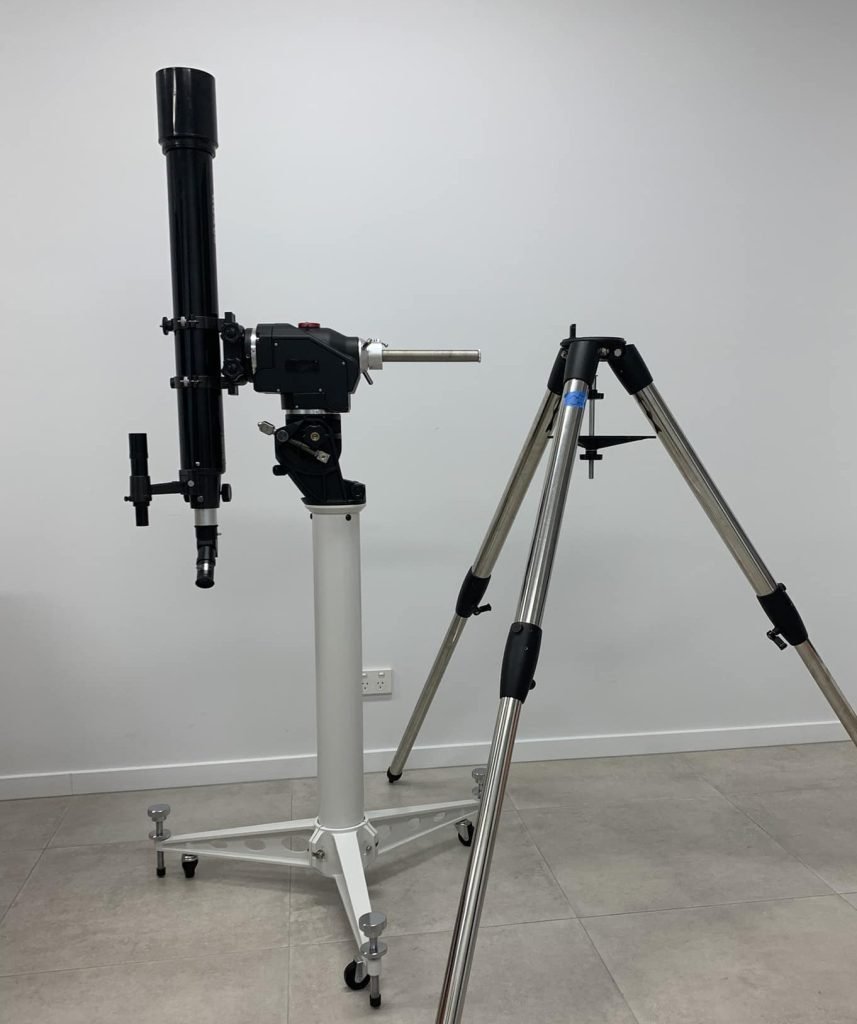
Long refractors, tripod legs and a pier tripod
Have you had troubles pointing your telescope at the zenith? It’s especially difficult if you’ve got a long refractor, because the eyepiece or camera end of the refractor can run into one of the tripod legs. You can use a pier extender, but better still, you can use a pier tripod, which has a cental pier from close to the ground. No tripod legs, not obstructions.
Telescope – Frequently Asked Questions (FAQs)
The Sidereal Trading Telescope (FAQs) blog page provides answers to commonly asked questions that customers might have about telescopes.
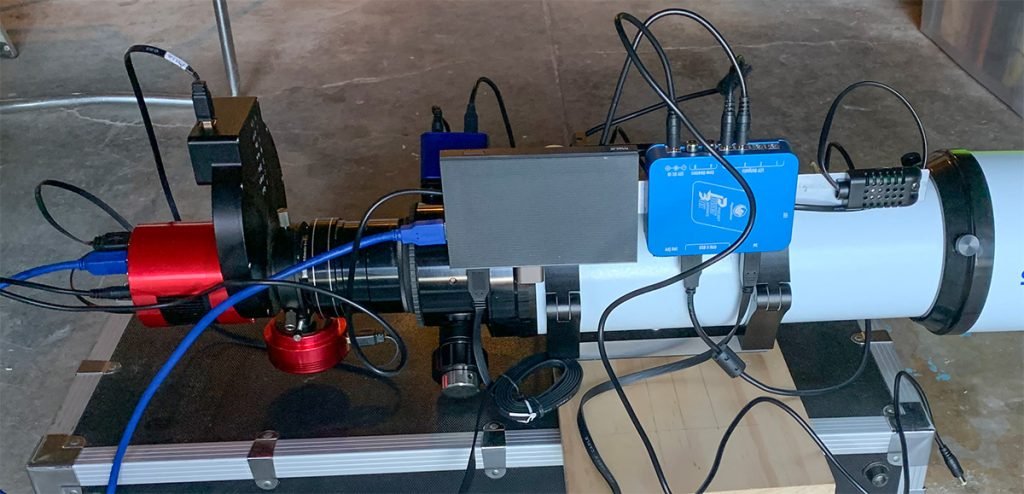
A caution about USB-C power supplies
USB-C is becoming an industry standard in astrophotography as it can use fewer cables by sharing power and data. However, some components need higher voltages through that USB-C cable. If you plug a 12V cable into a component that needs 5V you can cause damage. Please be careful!
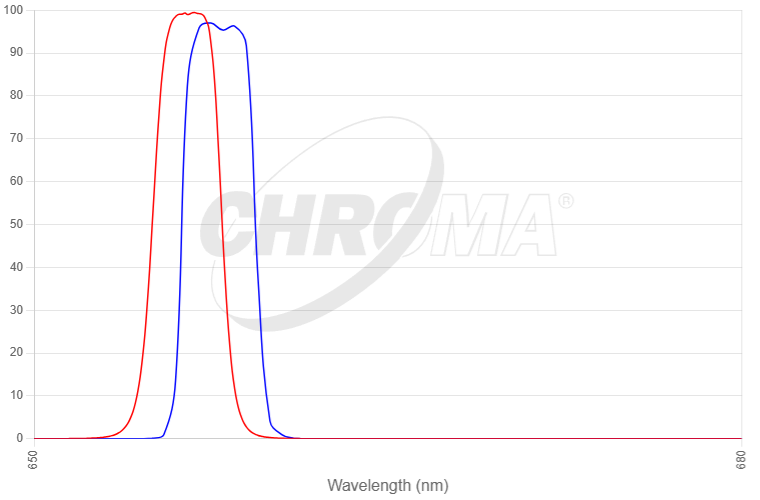
What are high-speed filters?
Filters, and what are high-speed filters? Filters are great for astrophotography. They work by blocking out colours (that is, frequencies of light) that you don’t want. The images you get when you use a filter are made up of the frequencies they let through. Filters can’t, of course, enhance or amplify any frequencies, but by…
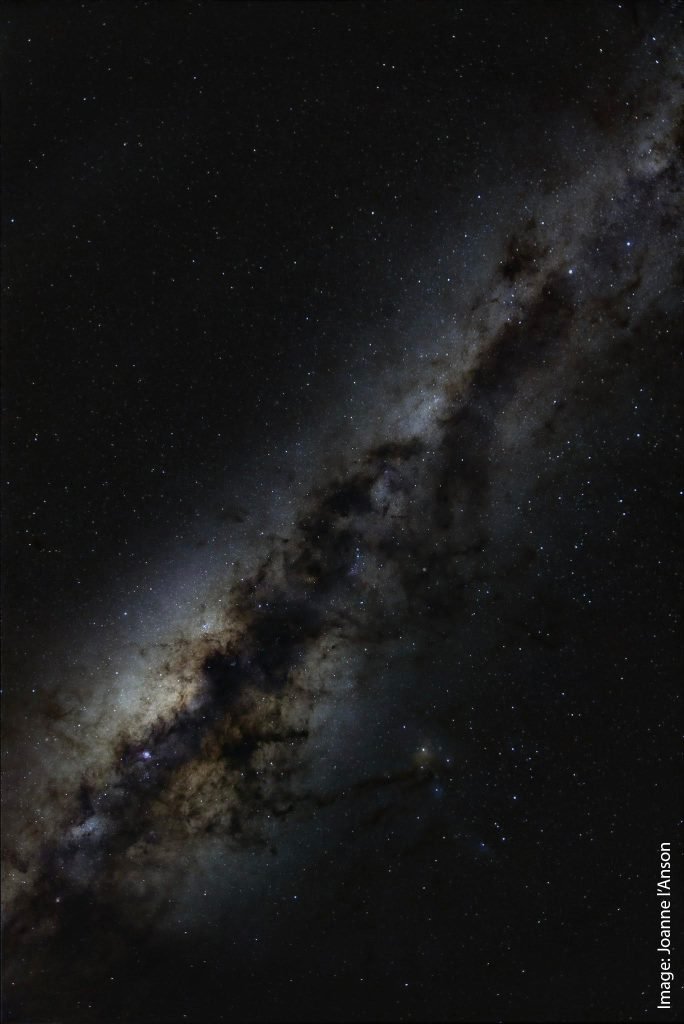
Getting wide field Milky Way images – powering your camera and dew heater
Getting deep images of the Milky Way can take a lot of power from your DSLR’s battery. Using a dummy battery to power your camera means you can leave it running all night and you won’t have to change batteries. You power the dummy battery with a PegasusAstro DSLR Buddy, and that means you can also run a dew heater strap from the mains, or a big battery.
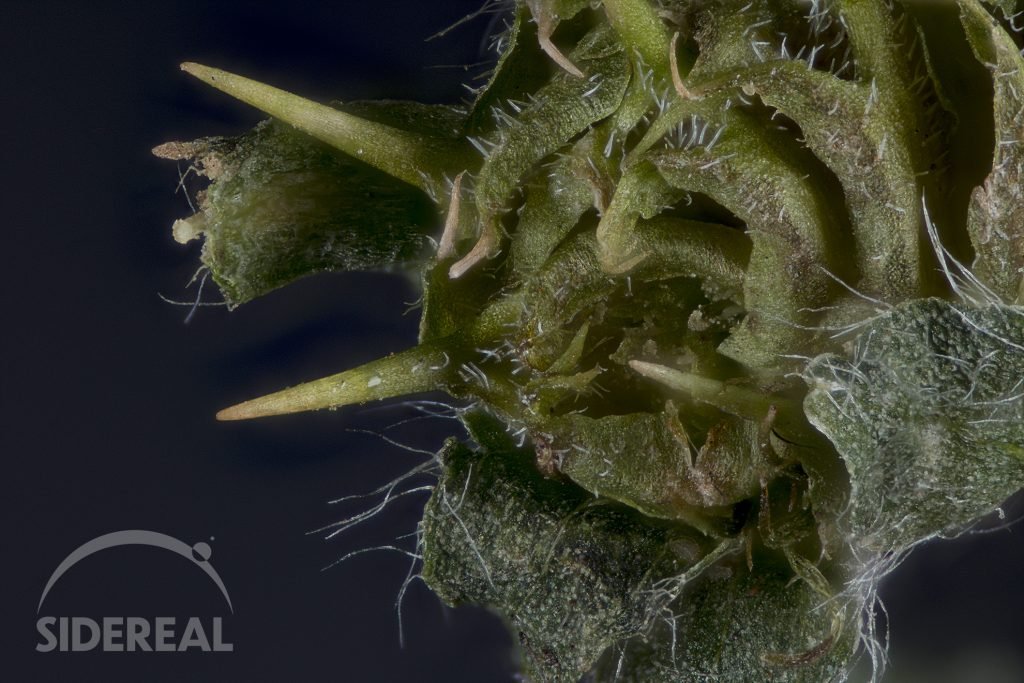
Macrophotography of a Bindii with the WeMacro Rail
Remember those horrible prickles in summer lawns? They’re often caused by Bindii, which have vicious spikes that stick a seed to your foot. The plant spreads itself using you as transport. Bill took a macrophoto of the Bindii using a WeMacro Rail and a reversed lens. You can see how nasty this creature is.
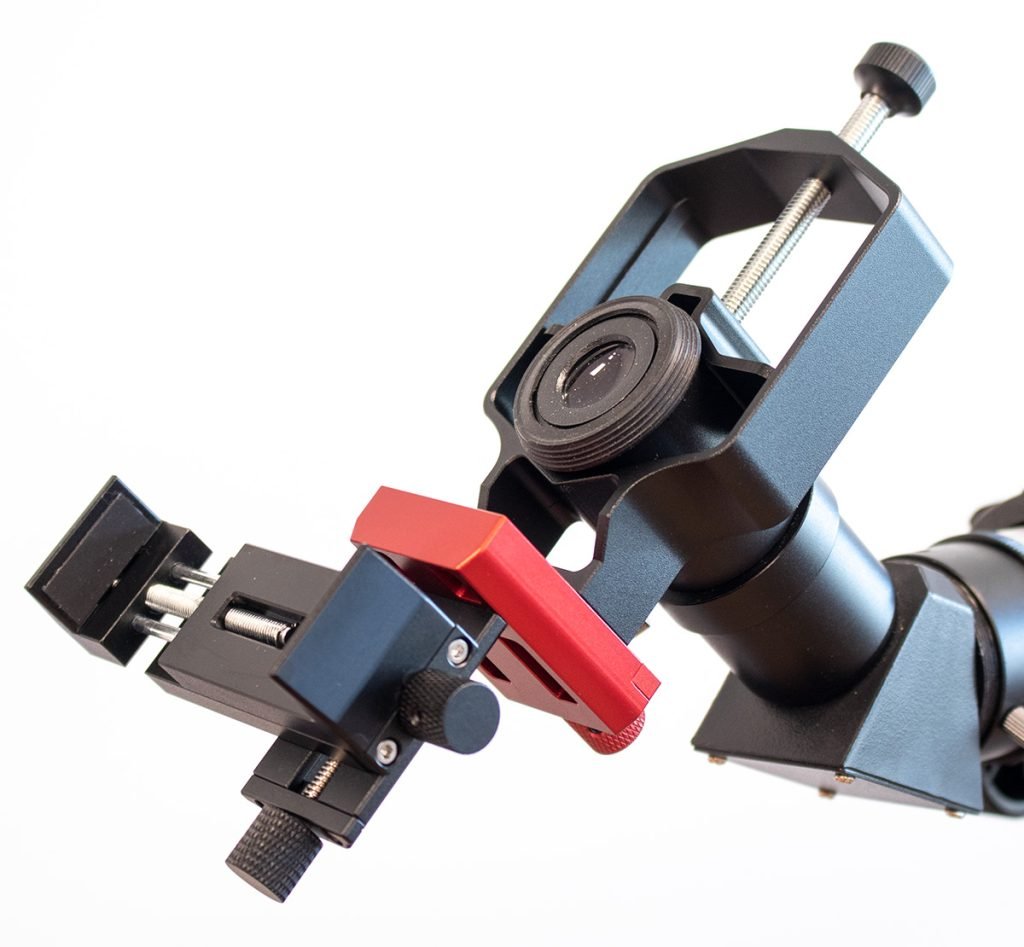
A brief look at the Move-Shoot-Move Phone Adapter
The Move-Shoot-Move Tridaptor phone holder is an all-metal holder which is adjustable in three axes. We tested some eyepieces with the holder and discussed some of the criteria you should use when deciding which one of the many phone holders you should choose.
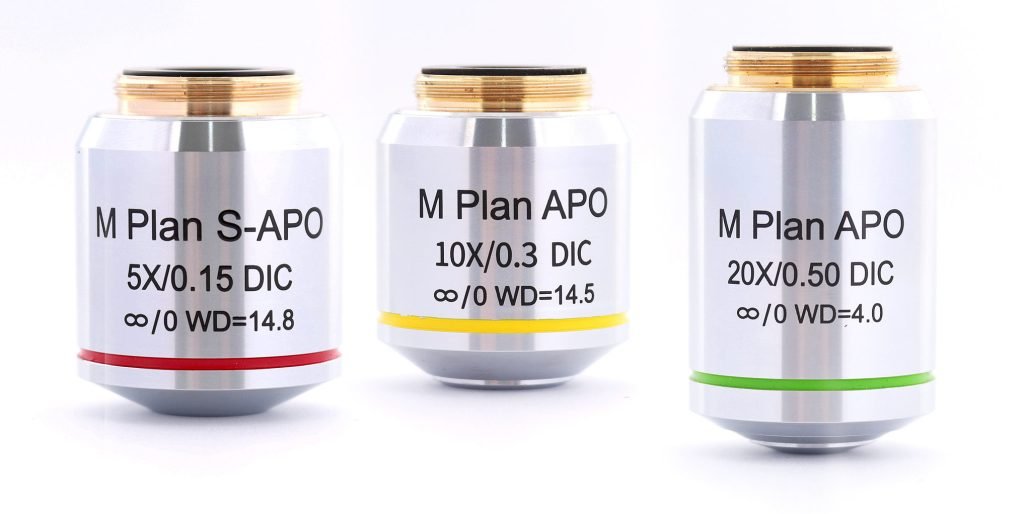
What’s an infinity corrected objective, and why use it in macrophotography?
An infinity corrected objective is a lens used for macrophotography. It looks very much like a microscope lens, and when you pair it with a tube lens it has quite a few advantages over more traditional macro lenses.
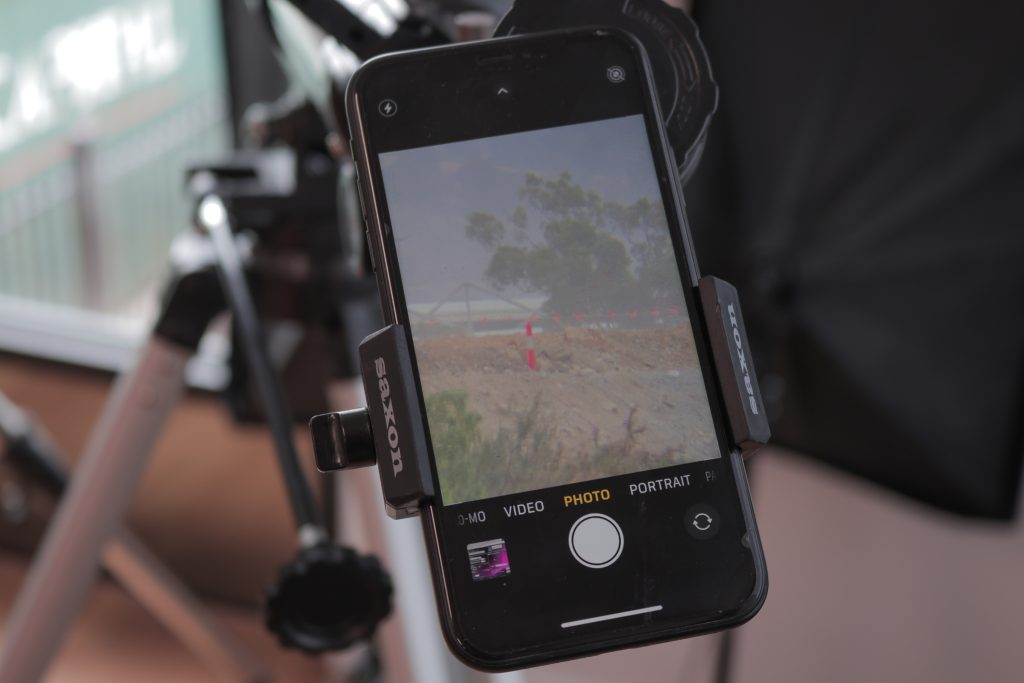
How to attach your phone to a telescope using a saxon ScopePix
Having a telescope is awesome. You can look at all manner of things astronomical and wonder. For many people, though, just seeing the Moon isn’t enough. To quote my millennial daughter, “if there aren’t photos, it didn’t happen”. So how do you get a photo through a telescope (without breaking the budget)? Everybody has a…
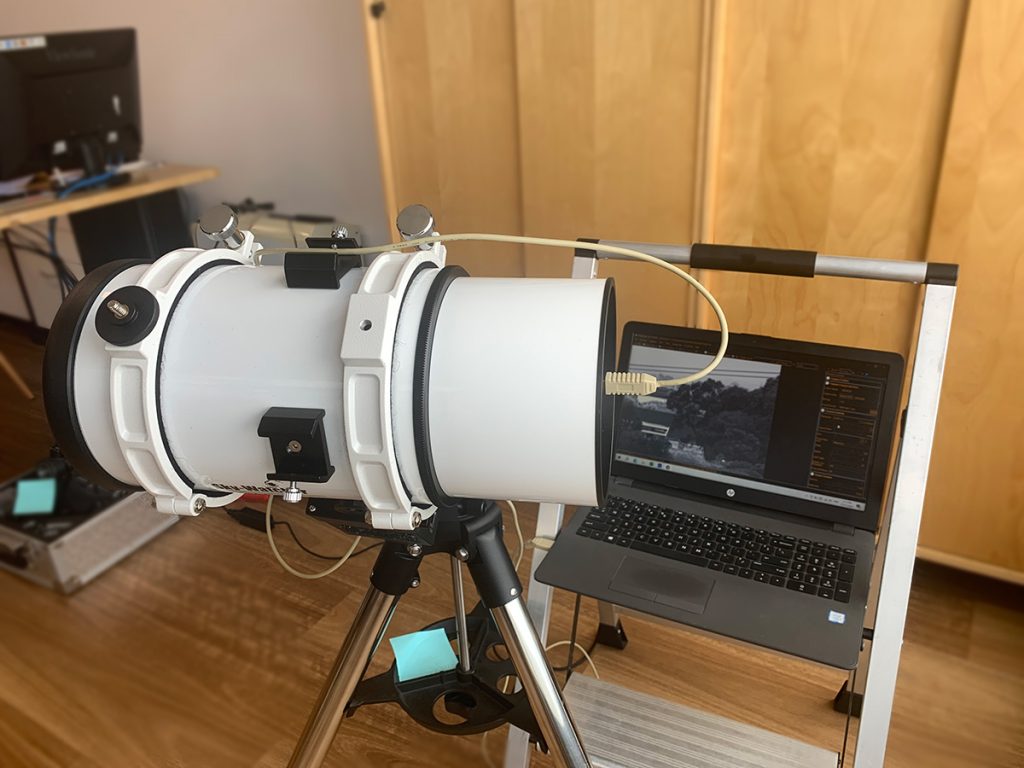
Sky-Watcher HAC150 – a budget deep-sky fast astrograph
A quick look at the new Sky-Watcher Honders Advanced Catadioptric Astrograph, a 125mm f/2 catadioptric “camera-only” telescope. Is this baby RASA the new grab-n-go sensation?
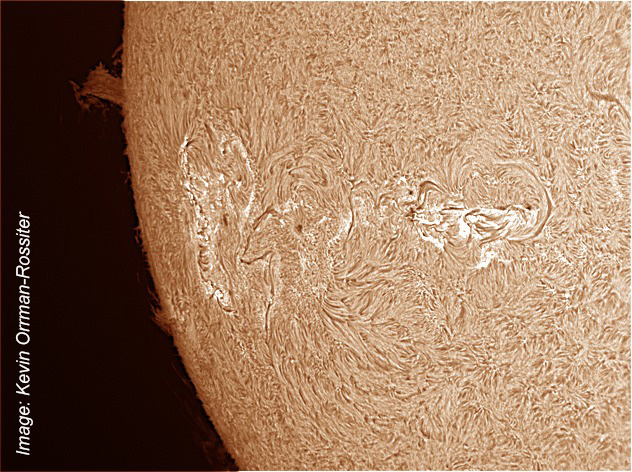
Using Lunt Telescopes to look at the Sun
With the Australian Solar eclipse coming in 2028, it’s time to get familiar with solar telescopes. With Lunt telescopes you can see the surface of the Sun using white light, or Hydrogen alpha and Calcium-K filters. These all show different aspects of what’s happening there. If you want to photograph it as well, there are cameras for that too.
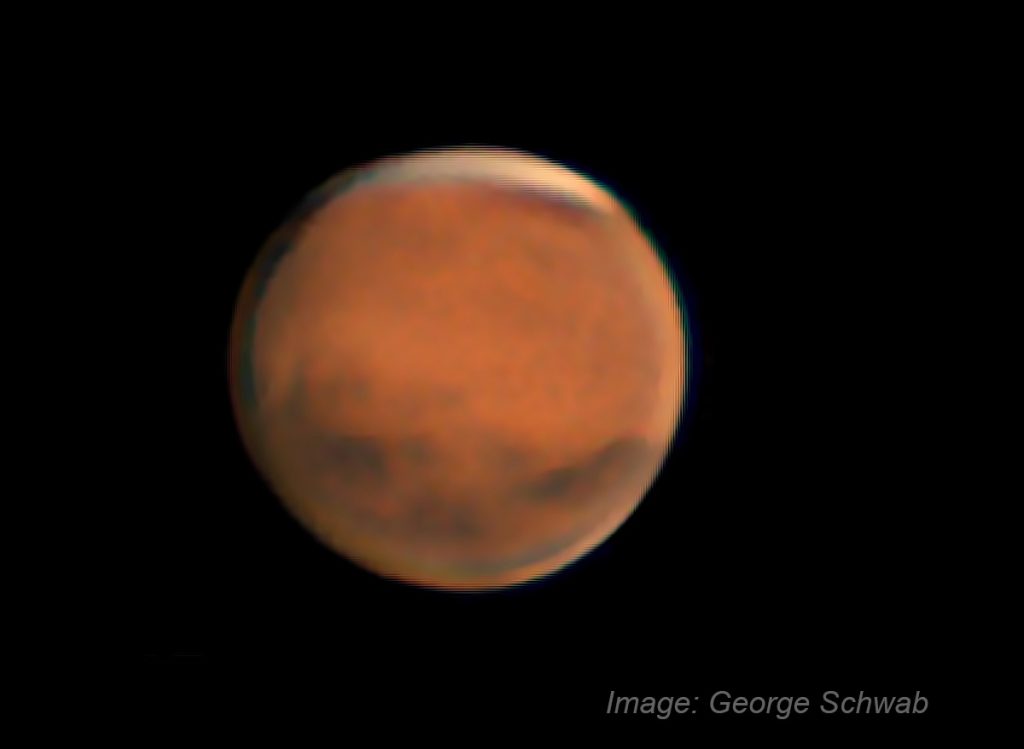
Mars Opposition 2025: what is Retrograde Motion – and what does it mean?
Mars opposition is in mid-January next year. But before that happens, Mars is going to enter retrograde motion, where it stops being overtaken by the background stars and starts overtaking them back. Retrograde motion stumped the ancient astronomers and had a hand in stimulating the rise of modern scientific thought.
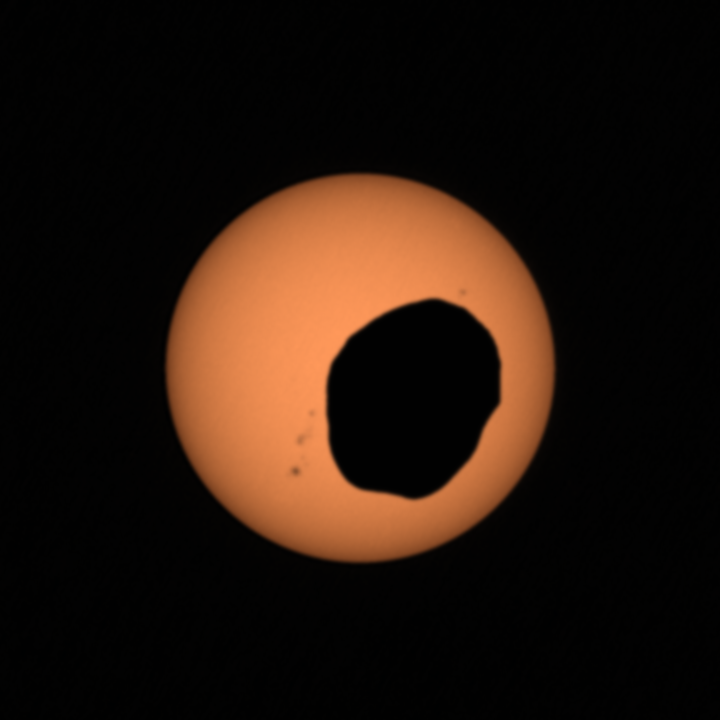
What is a moon, and can it be an asteroid?
Inspired by a video of an eclipse of Phobos, Bill wondered about the definitions of moons, planets and asteroids. Why are potato shapes important, and how did Phobos stop being one and start being another?
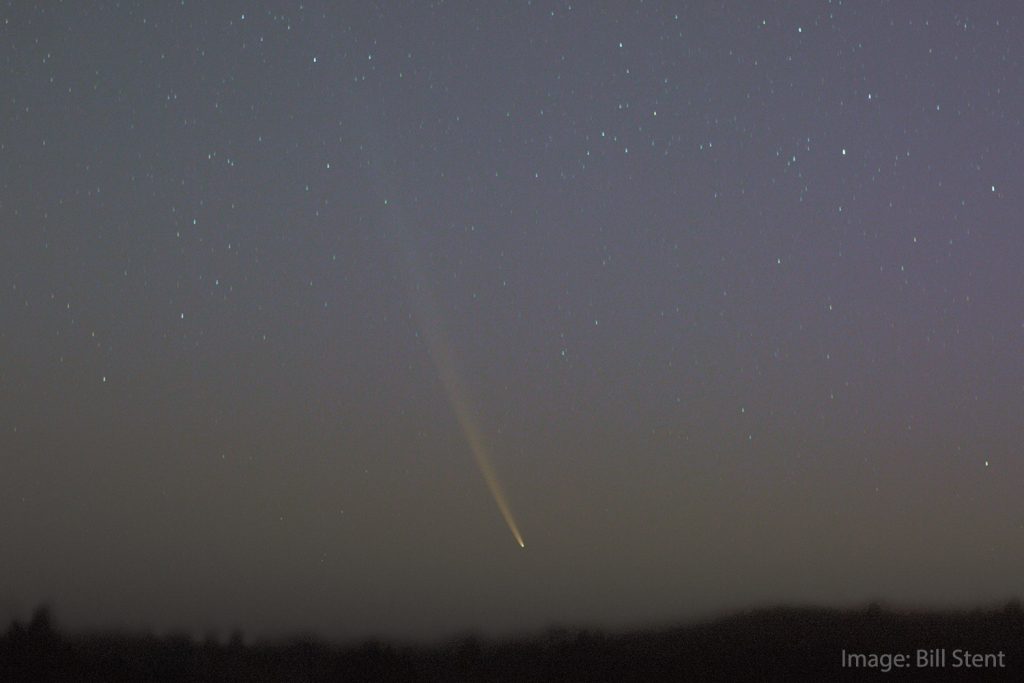
Getting an image of a comet using the Benro Polaris
Bill used the Benro Polaris tracking mount to get images of comet Tsuchinshan-ATLAS. This post tells the story of the expedition. He also reviews the Polaris.
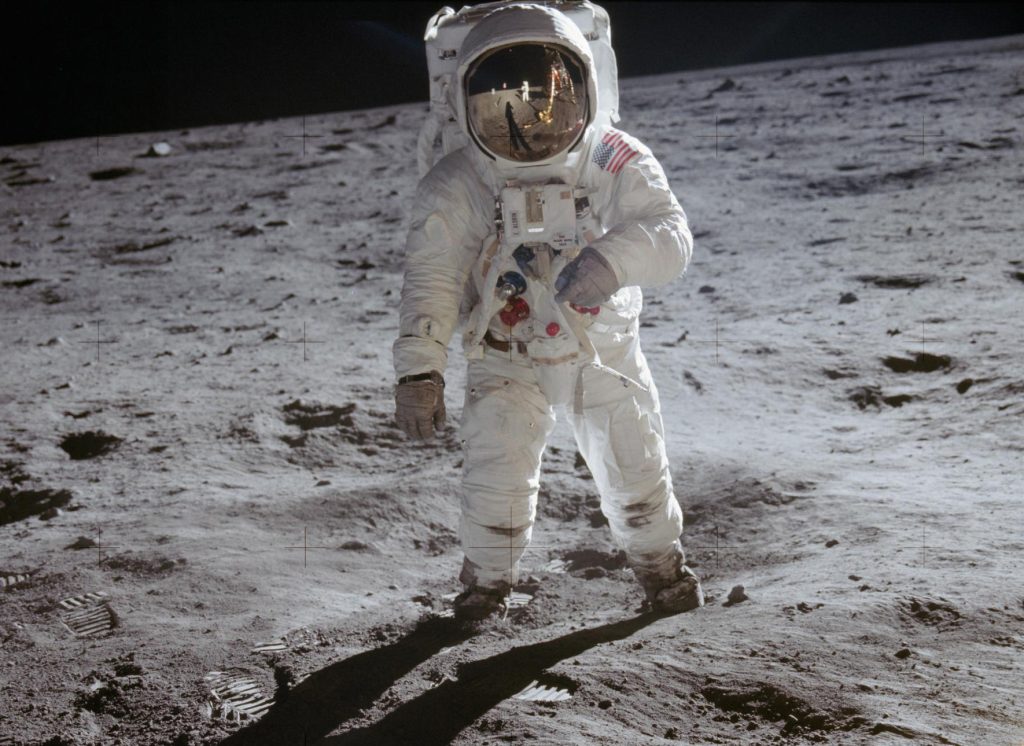
What’s the time on the Moon?
How do we tell the time on the Moon? This will be an important issue once humans establish a long-term presence there. We list a few of the problems with time, and how they’ll probably agree on a single Coordinated Lunar Time.
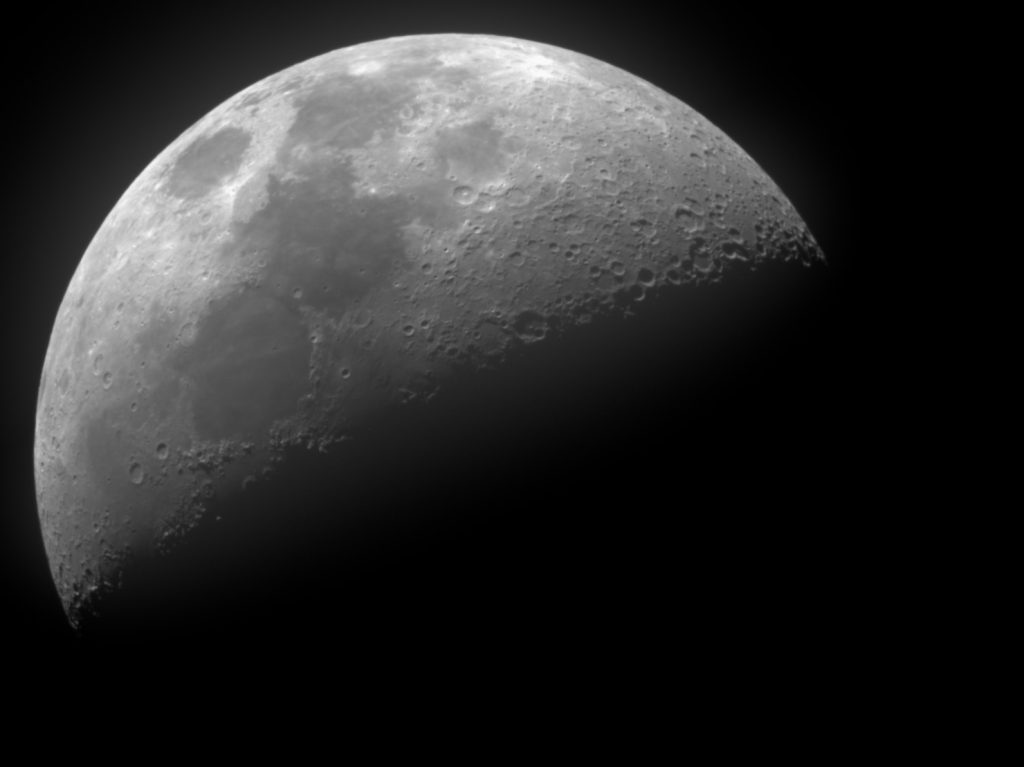
An image of the Lunar X
The Lunar X is a pattern of light cast by the rising Sun over a complex group of walls near the Werner crater. It’s only visible for about 45 minutes each lunar cycle and it’s only visible a couple of times each year to people on Earth. We knew of an apparition coming up, so we used a remote dome to get an image. We did have to battle our share of clouds, of course.
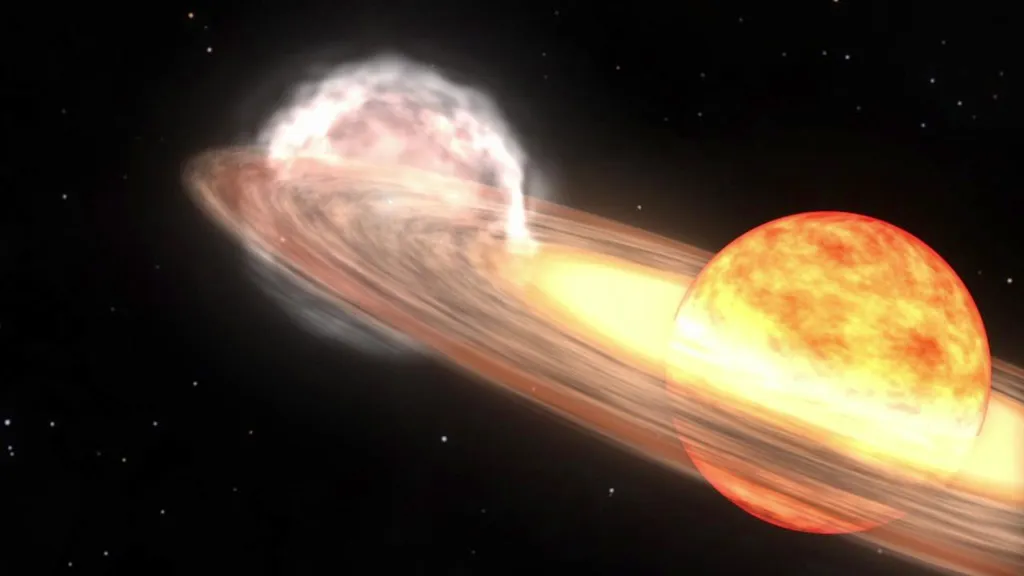
About that Nova in Corona Borealis…
T Corona Borealis is expected explode in a cosmic event called a nova in the near future. However, it hasn’t happened yet. Now the sun is approaching and is threatening to drown out the star before it goes off. We might have to wait until January to see what happens.
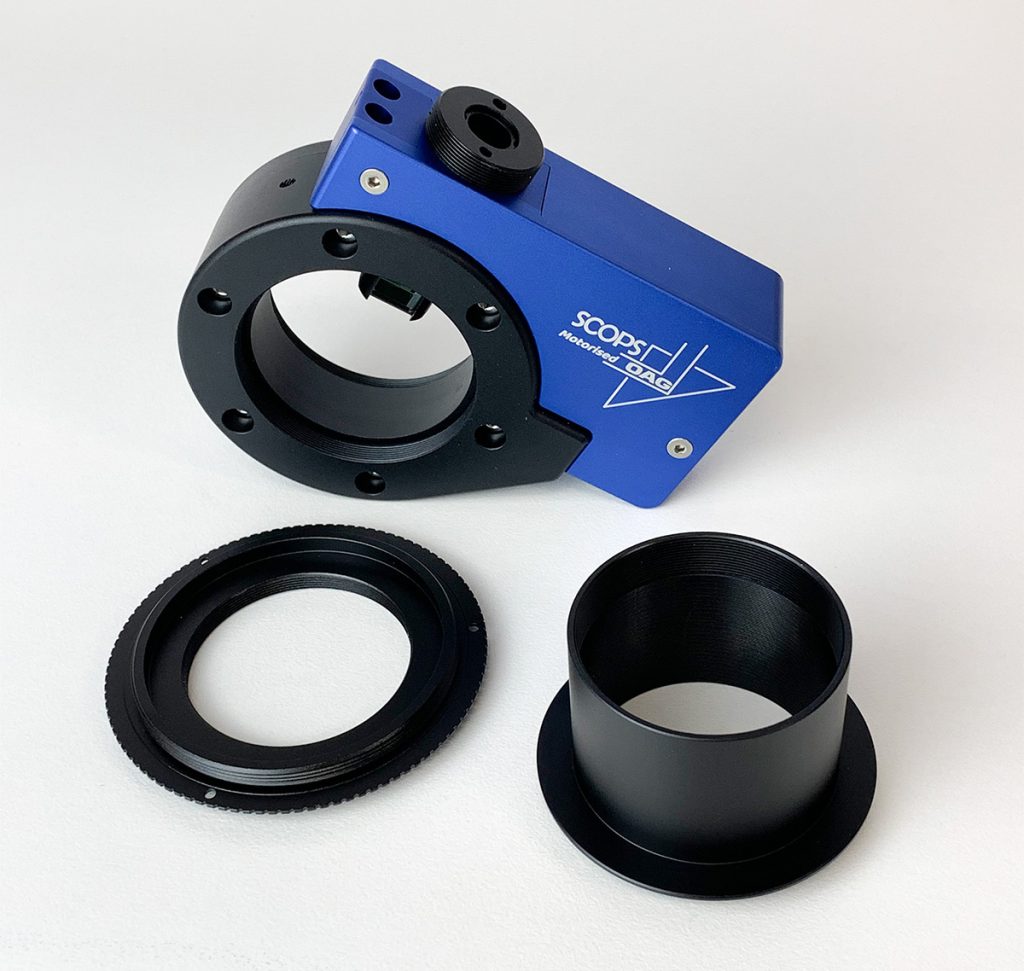
What on earth do the numbers on the Pegasus adapters mean?
There are lots of different adapters available for all sorts of different jobs. PegasusAstro adapters have a consistent way of defining what’s on either ends, so you don’t end up scratching your head.
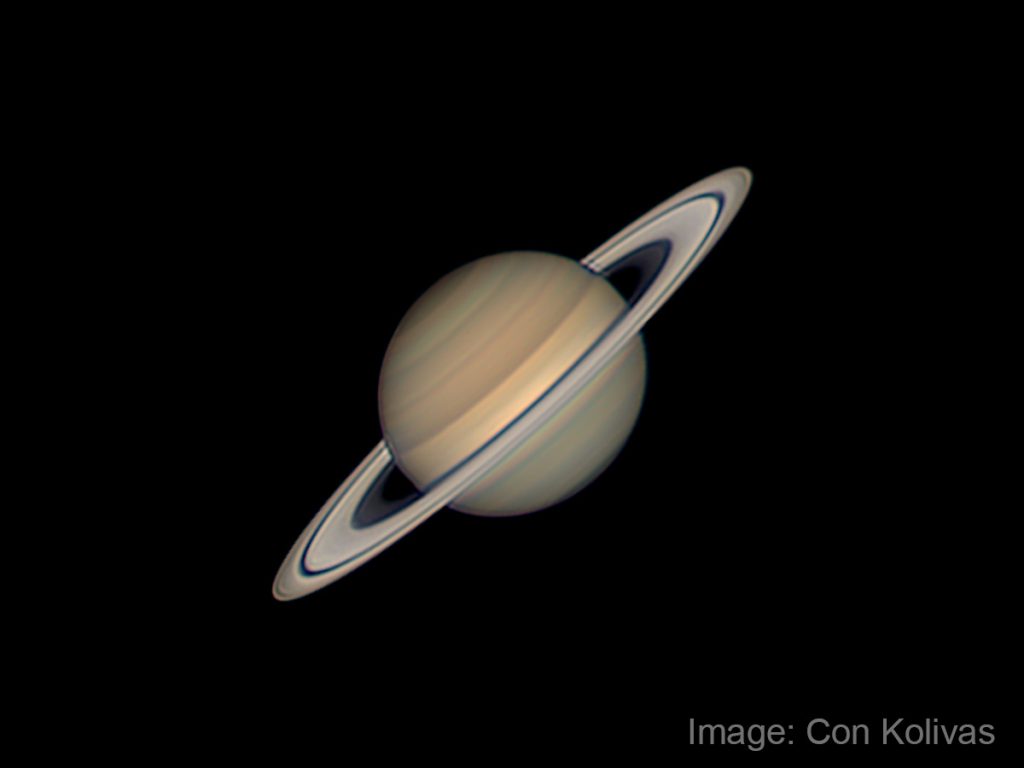
Saturn opposition on 8 September 2024
Saturn’s 2024 opposition will be on 8 September. Around that time, its rings will appear to glow brighter than usual due to retroreflectivity. Soon afterwards, however, the rings will be edge-on and become entirely invisible.
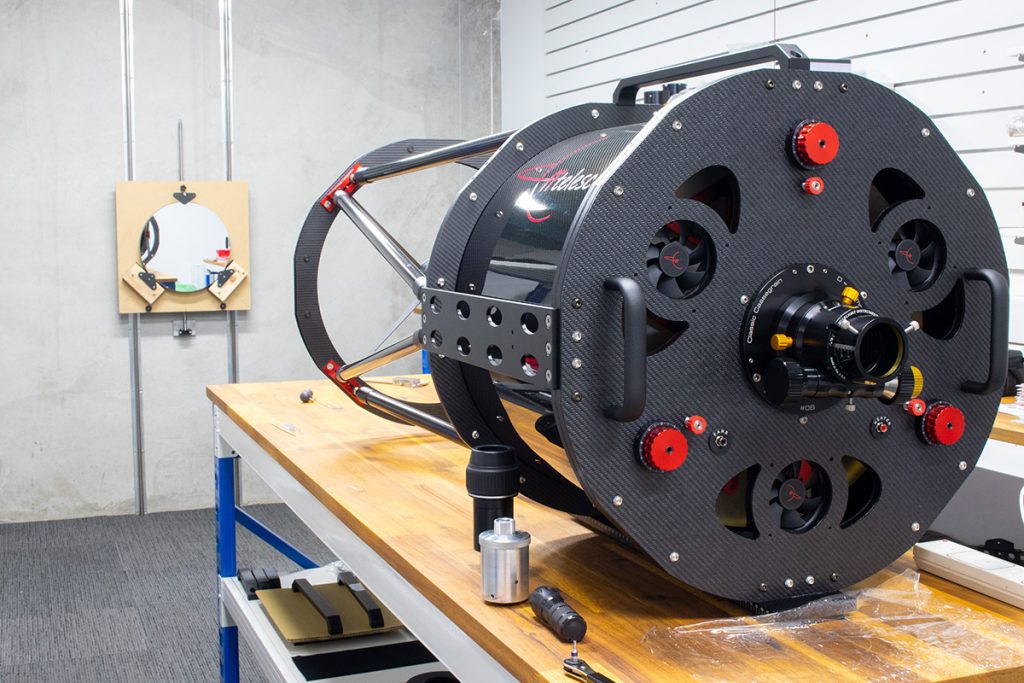
Collimating a 400mm f/20 Classic Cassegrain
Collimating a Classic Cassegrain telescope – or any telescope with more than one curved mirror – is not easy. Catalin from CFF Telescopes collimated this 400mm f/20 with an artificial star, a beam splitter and an optically flat mirror.
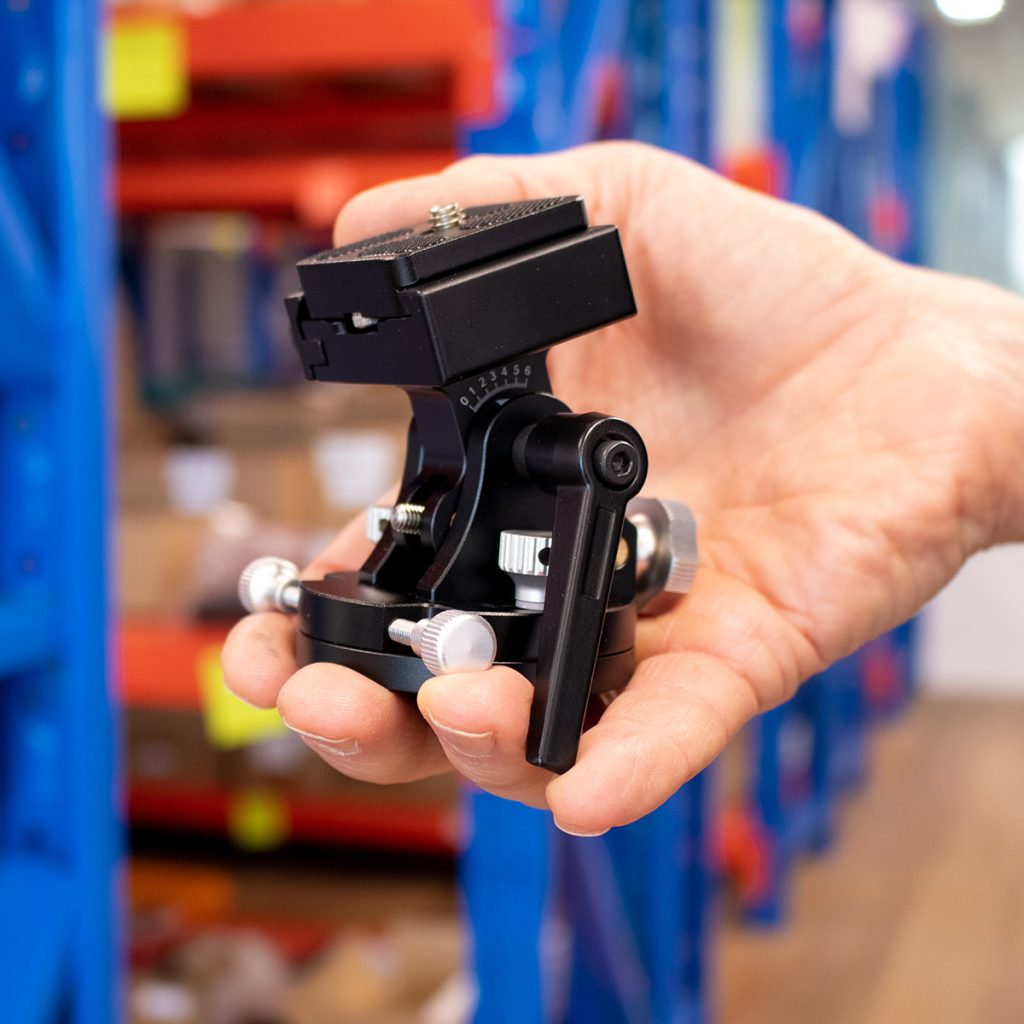
Move Shoot Move wedge. A nicely-made Arca Swiss tripod top.
The Move Shoot Move wedge goes between a Nomad (or other) star tracker and your tripod. It allows you to polar align. This wedge is made from CNC aluminium and provides the smooth movements you need for precise alignment.
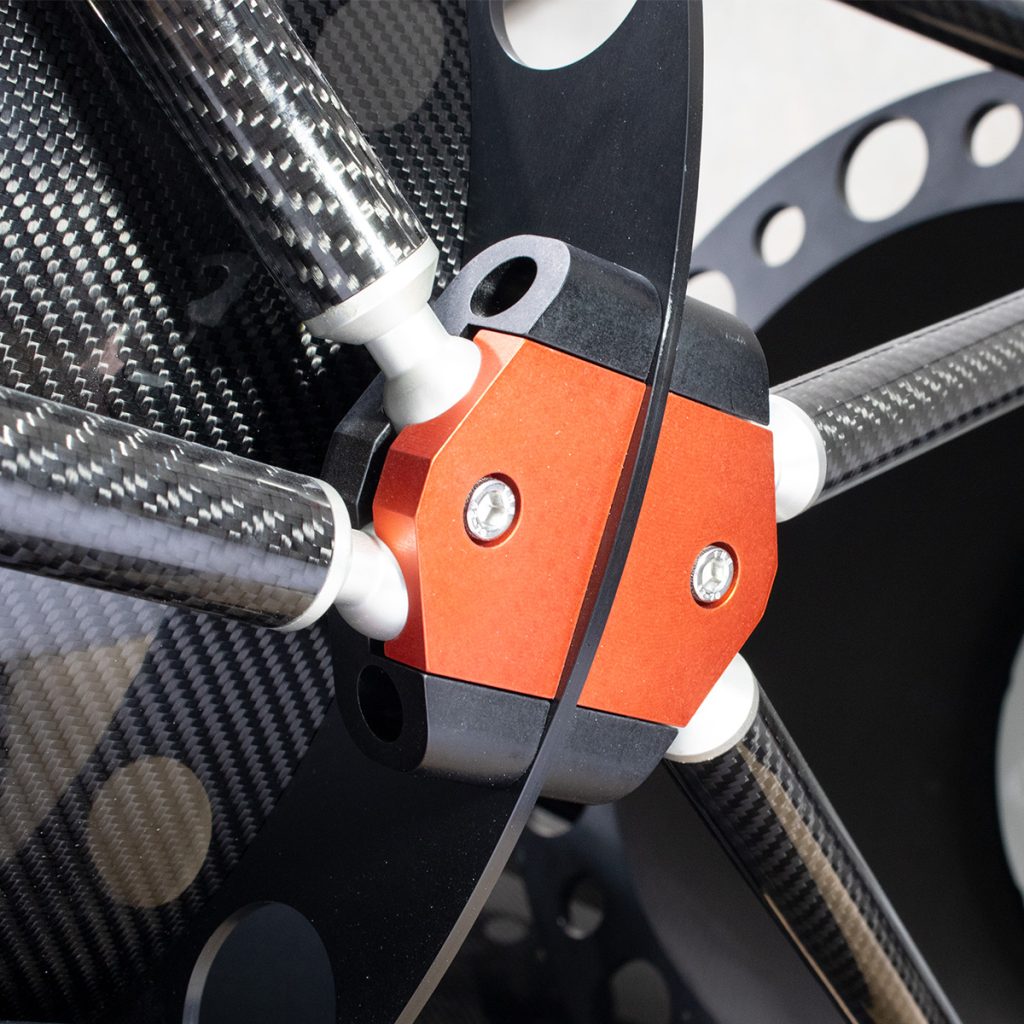
Building a truss telescope using truss blocks
Getting a good truss system together is hard. The carbon fibre rods have to be held rigidly, but they also have to be able to change the angle they’re sitting at. These truss blocks and ball joints do all that.
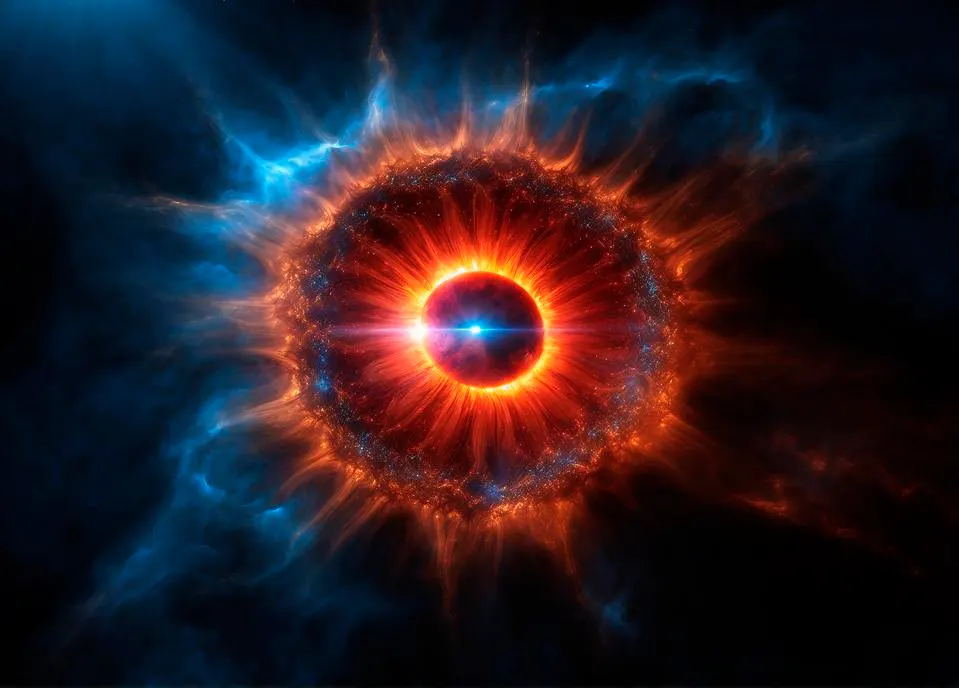
A star in Corona Borealis is about to go WOOF!!
A dim star in Corona Borealis, currently invisible to the naked eye, is about to explode in what’s known as a nova. This particular star does it every 80 years or so, and it’s due around now, and showing signs of activity. We got a “before” photo.

Using the WeMacro Rail to photograph the Sundew, an insectivorous plant
A plant that eats animals Drosera capensis is an insectivorous plant native to South Africa. Sundews thrive in low-nutrient soil because they’re able to gather their nutrients from “other sources” (mwa ha ha!). Because other species do poorly in these areas, Sundews have an advantage. D. capensis is similar to the native Sundew species we...
Autoguiding: how much is good enough?
Autoguiding has revolutionised astrophotography. While your main imaging camera is off doing its job, a second camera keeps an eye on a star – any star – in the telescope’s field. If your mount begins to drift off target, the computer that’s looking through this second camera notices straight away. The computer then sends a...

The first Astroworx telescope is now on the website
Most of you already know that Sidereal Trading is the home of Astroworx, the only telescope factory in Australia. Over the past few years, we’ve been making Newtonian astrographs, developing and refining the design and improving performance. The telescopes Diego has been producing have, until now, been prototypes, rather than a production model. Diego, being...

Your first image with the WeMacro Rail
Macrophotography is the art of getting images of tiny subjects onto a camera sensor. I’ve been asked about getting started in macrophotography, and specifically the least expensive way of getting your first image with the WeMacro Rail. This blog shows you how to go out and get your first image, so I’m going to get down to basics.

Macro Photography with the WeMacro Rail
One of the things we like about getting images is they can tell stories so well. In the case of astrophotography you can literally see the development of a solar system or the birth (or the death) of a star. At the Australian Photographic Prize, I talked about macrophotography with other photographers, and it’s remarkably similar.
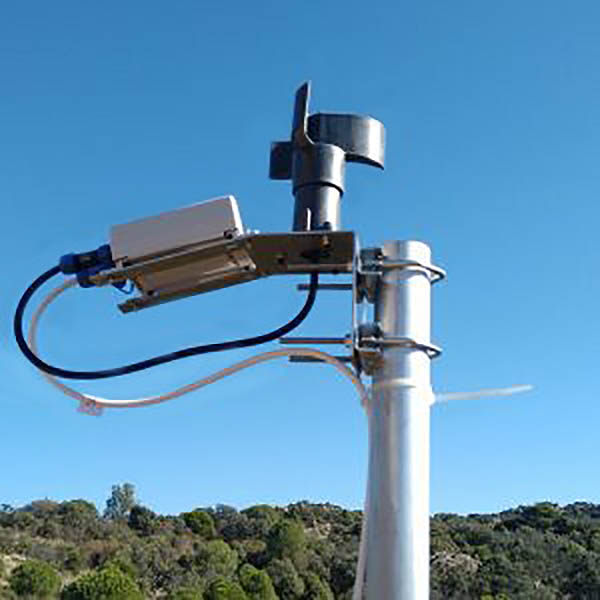
Protect your observatory! Setting up safety equipment
With a dome, you can simply open it up and begin imaging. But if you want to sleep as well, you need something keeping an eye on the weather so the dome will close if it’s about to rain. In this blog I’ve described a couple of gadgets that can do all that for you. I also talk about a couple of options to put the system together.
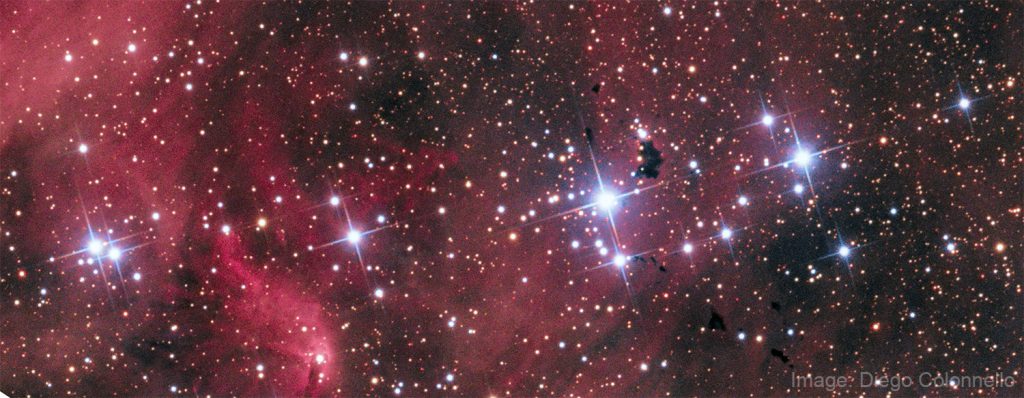
Diffraction spikes – what they are and how to get them right
Have you noticed that some astrophotographs have diffraction spikes coming from bright stars? They’re caused by the secondary mirror holder in reflector telescopes. Spiders, as they’re known, can give you nice spikes, but if they’re crooked or uneven, the spikes can look horrible. Here, I’ll show you how to get perfect spikes.
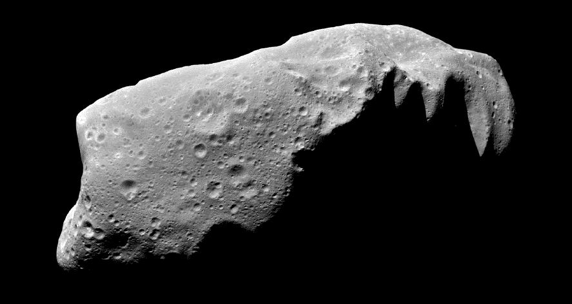
Asteroids comets and minor planets – find them using orbital data
Asteroids and other objects such as comets and even space junk are hard to find when they pass close to the Earth because their motion relative to us is so fast. Normal planetarium programs can’t track them. This blog shows you how to find and download up-to-date official data so you can locate them with your go-to telescope.
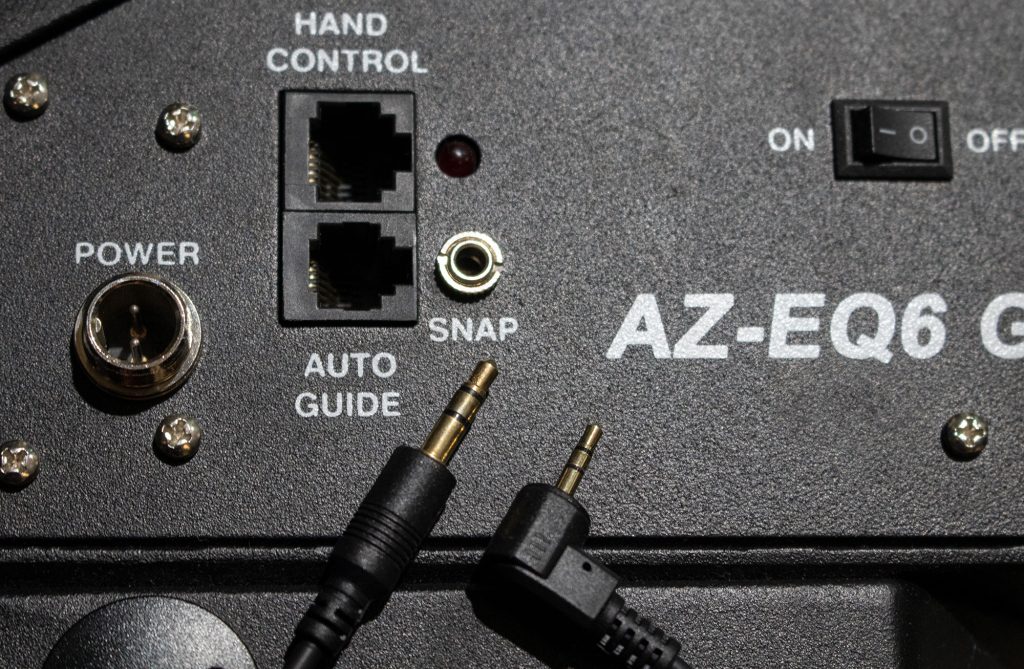
Choosing the right shutter release cable for your camera
With a shutter release cable you can fire your camera remotely without touching it. They’re very useful in photography, especially macrophotography and astrophotography. They are available for a huge range of cameras. Choosing the correct shutter release cable for your camera can be difficult. Here is a list of available cables.
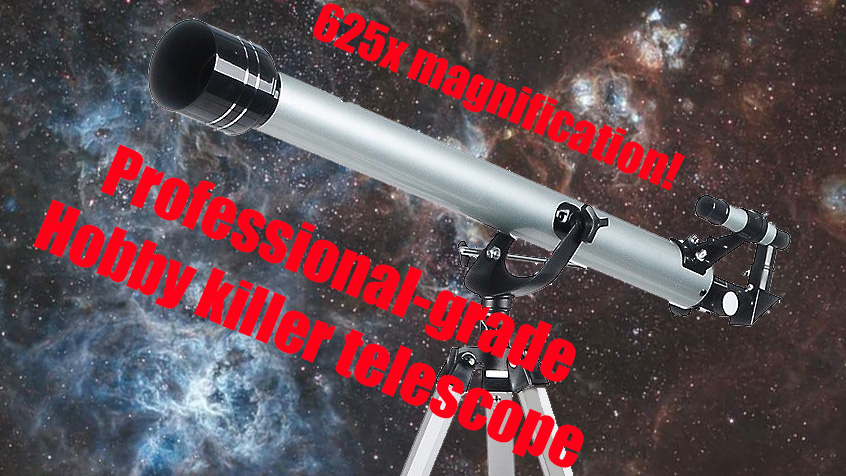
Hobby killer: what it is and how to avoid it
A hobby killer telescope is one which is really bad. Anyone who gets one will find that it’s too difficult to use, and worse, that astronomy is no fun. Here, we point out how to spot a hobby killer, so you can avoid it. Better, we also tell you what to look out for so your gift will provide a lifetime of enjoyment and learning.
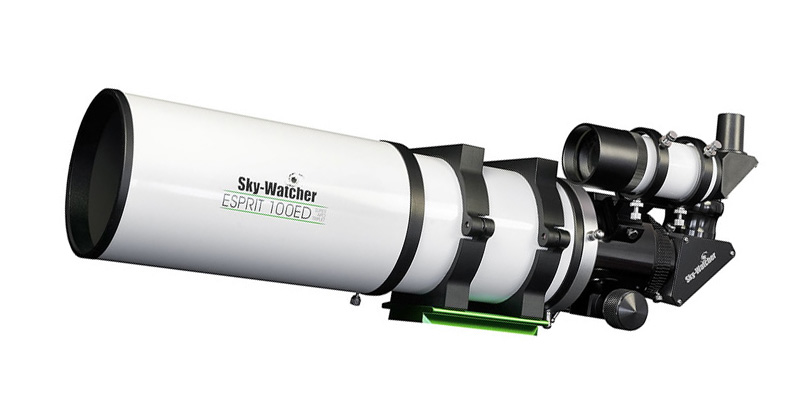
Sky-Watcher Esprit triplet refractors now available from Sidereal Trading
Following a minor wholesaler rearrangement, Sidereal Trading is now able to supply Sky-Watcher Esprit refractors. Nice. You probably already know that I’m a refractor guy. I’ve said that on many occasions. You probably also know that the Esprit range is made up of triplet refractors, one element of the cell being FPL-53 glass. What does...

Kit eyepieces and their upgrades
Most people start out in astronomy with a telescope bundle – that’s the scope, tripod, finderscope and other accessories. It’s just the sensible way to start. Amongst the most important contents of these kits is the eyepieces you get in the box. Generally you find two or three eyepieces covering a range of different focal...

iOptron control programs: Commander and Commander Lite – what’s the difference?
With the release of the free iOptron Lite app for Android (the IOS version has been out for a while), we thought it’s time to explain what this package does, and how it’s different to the iOptron Commander program that loads onto a computer. Commander Lite Commander Lite is a free app, and is essentially...